Peptide Therapy with BPC-157
Peptide Therapy with BPC-157
What Is BPC-157?
BPC-157 is a synthetic 15-amino-acid peptide derived from a protective protein found in human gastric juice. Researchers designated it Body Protection Compound 157 after isolating and sequencing this stable fragment from the stomach lining. What distinguishes BPC-157 from many other research peptides is its apparent ability to interact with multiple biological pathways simultaneously, including the nitric oxide system, VEGF-driven angiogenesis, and fibroblast signaling in connective tissue. This multi-target profile has made it one of the more broadly studied synthetic peptides in preclinical literature focused on tissue repair and cellular protection.
Proposed Mechanisms of Action
The most consistently reported mechanism in BPC-157 research involves angiogenesis. Animal studies indicate the peptide promotes upregulation of vascular endothelial growth factor at injury sites, stimulating the formation of new capillary networks. This enhanced vascularization delivers oxygen and growth factors to damaged tissue faster, which researchers correlate with the accelerated healing timelines observed in muscle, tendon, and ligament repair models.
Nitric oxide modulation is a second mechanism under active investigation. BPC-157 appears to regulate endothelial nitric oxide synthase activity in a context-sensitive way, protecting mucosal and vascular tissue from oxidative stress without causing the systemic vasodilation associated with direct nitric oxide donors. This selectivity is considered particularly relevant in gastrointestinal research, where nitric oxide balance directly governs mucosal barrier integrity and inflammation resolution.
Preclinical Research Areas
Among all research applications, musculoskeletal repair has generated the most published data for bpc 157 peptides. Rodent studies involving transected Achilles tendons, severed knee ligaments, and crushed skeletal muscle consistently report improved collagen fiber organization and faster tensile strength recovery in treated subjects compared to controls. Bone healing models have similarly documented enhanced callus formation and elevated osteoblast activity at fracture sites, suggesting the peptide may support both soft and hard tissue regeneration through overlapping mechanisms.
Gastrointestinal research was the original focus of BPC-157 investigation given the peptide's gastric origin. Scientists have examined its effects across peptic ulcer models, inflammatory bowel disease analogs, and intestinal anastomosis repair, consistently reporting reduced mucosal inflammation and accelerated re-epithelialization in treated animals. Neurological applications represent an emerging research frontier, with early data addressing peripheral nerve crush recovery and potential neuroprotective effects in traumatic brain injury models, though this line of investigation remains at a preliminary stage.
Administration Routes in Research Settings
Studies using bpc 157 peptides have evaluated several delivery routes, each suited to different experimental objectives and tissue targets:
- Subcutaneous injection near the injury site, used for localized tissue delivery with limited systemic exposure
- Intramuscular injection, applied in muscle and tendon repair models for direct depot administration
- Intraperitoneal injection, the most common route in rodent studies when consistent systemic distribution is required
- Oral administration, which has demonstrated unexpected efficacy in gastrointestinal models despite the peptide's theoretical susceptibility to enzymatic degradation
The oral route warrants particular attention. Most peptides are cleaved in the stomach or small intestine before reaching systemic circulation, yet BPC-157 retains meaningful biological activity when delivered orally in gut-focused studies. Researchers hypothesize the peptide exerts direct local effects on gastrointestinal mucosa prior to any systemic absorption, which would explain its preserved efficacy despite the degradation challenge. This property also makes BPC-157 an outlier among research peptides and has driven specific interest in enteric applications.
Research Status and Regulatory Considerations
BPC-157 has no approved clinical applications as of this writing and remains classified as a research compound in most jurisdictions. The preclinical evidence base is substantial, spanning several decades and hundreds of peer-reviewed animal studies across independent research groups. However, large-scale human clinical trials have not yet been completed, which means extrapolating from animal data to human outcomes carries significant uncertainty. The peptide's toxicity profile in animal models has been consistently unremarkable, with no significant adverse effects reported at pharmacologically active doses, though comprehensive safety pharmacology data in human populations remains absent.
Researchers working with bpc 157 peptides should operate strictly within applicable regulatory frameworks and institutional review requirements. All information presented in this article is intended for research and educational purposes only and does not constitute medical advice, diagnosis, or endorsement of any specific clinical application.
Recommended products
 30 capsules.webp)
 60 capsules.webp)
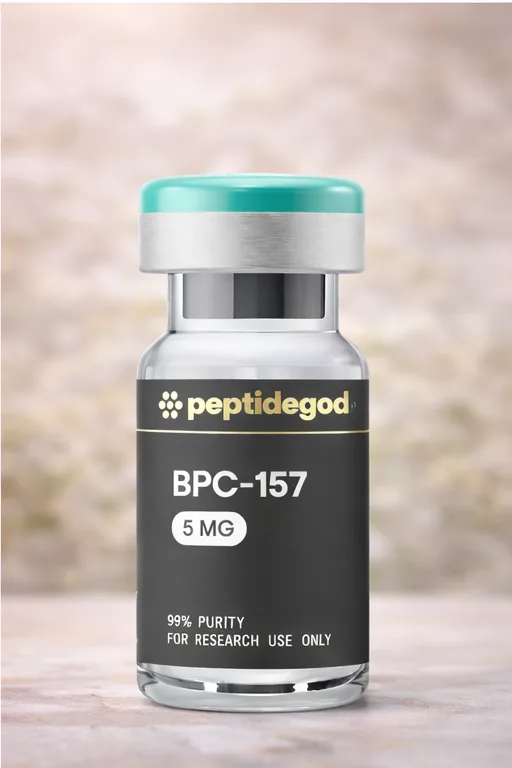
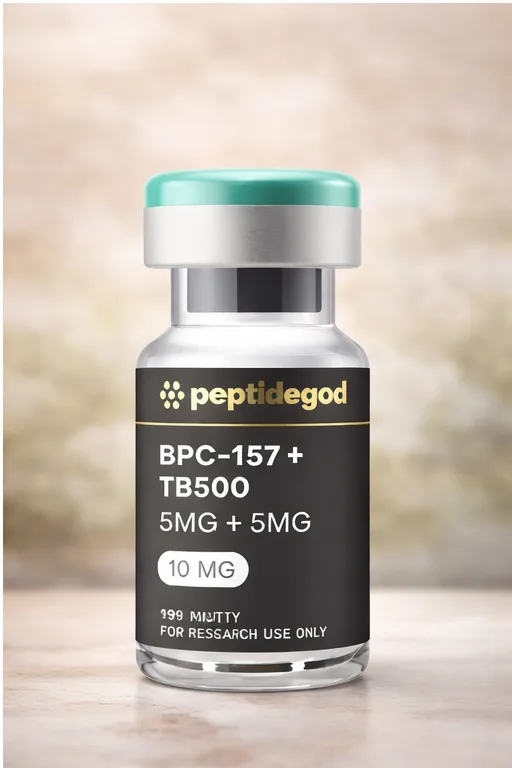

See top-rated vendors
Compare prices, purity and shipping at a glance.
Reviewed by the Bpc157 Peptides Research Team · Last updated January 2026
References & Scientific Sources
- Chang C-H, et al. Pentadecapeptide BPC 157 enhances tendon fibroblast outgrowth. J Appl Physiol. 2011.
- Sikiric P, et al. BPC 157 and standard angiogenic growth factors. Curr Pharm Des. 2018.
- Seiwerth S, et al. BPC 157 and blood-vessel recruitment in healing. Curr Pharm Des. 2018.
Sources are provided for educational reference. This content is informational and not a substitute for professional medical advice.