How BPC-157 Peptide Works
How BPC-157 Peptide Works
What Is BPC-157?
BPC-157 is a synthetic pentadecapeptide composed of 15 amino acids. Its name stands for Body Protection Compound, and it was derived from a partial sequence of a protein found in human gastric juice. Researchers first isolated and characterized this sequence in the 1990s, and since then it has been studied extensively in preclinical models for its effects on tissue repair, inflammation modulation, and cellular signaling. Unlike many peptides that require refrigeration and are quickly degraded in the digestive tract, BPC-157 demonstrates notable stability in both acidic and alkaline environments, which has made it a subject of ongoing interest in gastrointestinal and systemic research contexts.
Mechanisms of Action at the Cellular Level
The research on bpc 157 peptides points to several distinct but interconnected mechanisms. At the molecular level, BPC-157 appears to interact with the nitric oxide (NO) system, influencing the production and availability of nitric oxide in tissues. Nitric oxide plays a central role in vasodilation, blood flow regulation, and cellular signaling, so modulation of this pathway has wide-ranging downstream effects on tissue perfusion and healing responses.
BPC-157 has also been studied for its interaction with growth hormone receptors. Preclinical data suggest it can upregulate the expression of the growth hormone receptor in tendon fibroblasts, potentially amplifying the anabolic signaling that supports connective tissue repair. Additionally, researchers have observed effects on the FAK-paxillin pathway, a signaling cascade involved in cell migration and adhesion — processes that are critical in the early stages of wound healing and tissue regeneration.
Angiogenesis and Vascular Effects
One of the most consistently reported findings in BPC-157 research is its ability to promote angiogenesis, the formation of new blood vessels. In multiple animal studies, administration of BPC-157 accelerated the growth of new capillaries into damaged tissue, improving oxygen and nutrient delivery to the repair site. This pro-angiogenic effect is thought to be mediated at least in part through upregulation of vascular endothelial growth factor (VEGF) and its receptors. Faster vascularization of injured tissue is considered a key determinant of repair speed, which may explain why bpc 157 peptides have attracted particular attention in musculoskeletal research involving tendons, ligaments, and muscle tears.
Gastrointestinal and Systemic Protective Effects
Given its origin in gastric juice proteins, it is unsurprising that a substantial portion of BPC-157 research has focused on the gastrointestinal tract. Studies in rodent models have examined its effects on gastric ulcers, inflammatory bowel conditions, and gut barrier integrity. The peptide appears to counteract damage induced by NSAIDs, alcohol, and corticosteroids at the level of the gastric mucosa, potentially through its effects on NO synthesis and local blood flow. Researchers have also documented effects on gut motility and the enteric nervous system, adding a neurological dimension to what initially appeared to be a purely local protective mechanism.
Beyond the gut, systemic studies have explored BPC-157 effects on liver tissue, bone healing, and even neurological recovery models. The breadth of tissues studied reflects the compound's apparent ability to act through conserved cellular signaling pathways rather than tissue-specific receptors alone.
Routes of Administration and Research Considerations
In preclinical research, bpc 157 peptides have been administered via several routes, including subcutaneous injection, intramuscular injection, intraperitoneal injection, and oral gavage. The oral route is of particular scientific interest because it suggests the peptide retains at least partial bioactivity after passing through the digestive environment — an unusual property for a peptide of its class. This stability is attributed in part to its resistance to enzymatic cleavage, a characteristic that distinguishes it from many other research peptides.
- Subcutaneous injection: most common route in tendon and muscle repair studies
- Oral administration: studied in gastrointestinal models; demonstrates notable stability
- Intraperitoneal injection: used in systemic and neurological rodent models
- Intramuscular injection: applied in studies examining localized musculoskeletal repair
It is important to note that all available evidence for BPC-157 comes from in vitro cell studies and animal models. No large-scale, peer-reviewed human clinical trials have been completed to date. The compound is classified as a research peptide and is not approved by any regulatory body for therapeutic use in humans. All information presented here is intended strictly for educational and research purposes and does not constitute medical advice.
Recommended products
 30 capsules.webp)
 60 capsules.webp)
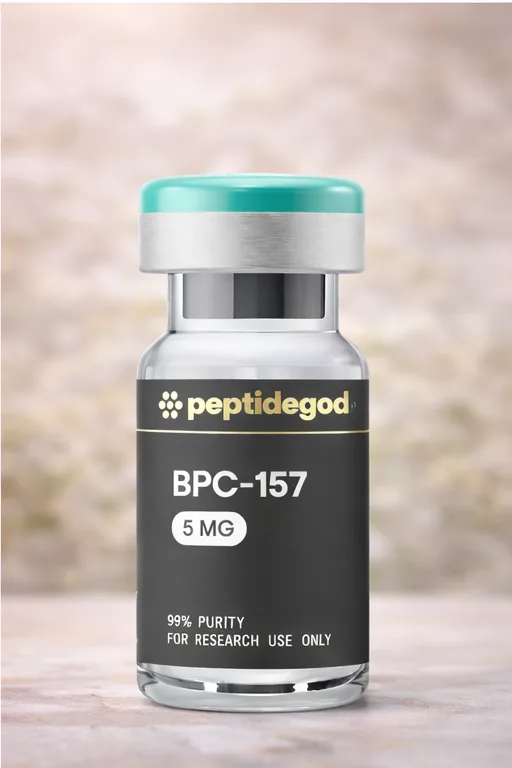
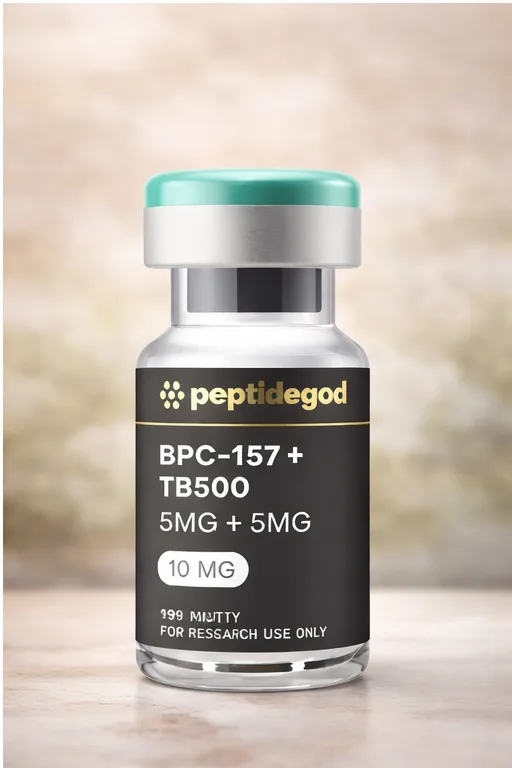

See top-rated vendors
Compare prices, purity and shipping at a glance.
Reviewed by the Bpc157 Peptides Research Team · Last updated January 2026
References & Scientific Sources
- Chang C-H, et al. Pentadecapeptide BPC 157 enhances tendon fibroblast outgrowth. J Appl Physiol. 2011.
- Sikiric P, et al. BPC 157 and standard angiogenic growth factors. Curr Pharm Des. 2018.
- Seiwerth S, et al. BPC 157 and blood-vessel recruitment in healing. Curr Pharm Des. 2018.
Sources are provided for educational reference. This content is informational and not a substitute for professional medical advice.