BPC-157 Peptide Overview
BPC-157 Peptide Overview
What Is BPC-157?
BPC-157 is a synthetic pentadecapeptide consisting of 15 amino acids. Its sequence is derived from a naturally occurring protein found in human gastric juice, known as Body Protection Compound. Unlike many peptides that degrade rapidly in biological environments, BPC-157 demonstrates notable stability in the presence of gastric acid, which has made it a subject of significant interest in preclinical research. Researchers studying bpc 157 peptides have focused on its apparent ability to accelerate recovery processes across multiple tissue types, including tendon, ligament, muscle, and the gastrointestinal tract.
Mechanisms Under Investigation
The biological activity of BPC-157 is thought to stem from its interaction with several molecular pathways. Early research has pointed to its influence on the nitric oxide (NO) system, where it appears to modulate vascular tone and blood flow in ways that may support tissue oxygenation during repair. Studies in rodent models have suggested that BPC-157 promotes the upregulation of growth hormone receptors in tendon fibroblasts, which could explain accelerated collagen synthesis observed in injured tissue.
Additionally, researchers have noted interactions with the dopaminergic and serotonergic systems in the central nervous system, prompting investigations into its effects on neuroprotection and neurotransmitter balance. The peptide also appears to influence angiogenesis—the formation of new blood vessels—which is a foundational step in the healing cascade for vascular and musculoskeletal injuries.
Areas of Preclinical Research
Musculoskeletal Repair
A substantial portion of BPC-157 research has concentrated on its effects on tendons, ligaments, and muscle tissue. Animal studies have demonstrated statistically significant improvements in the biomechanical properties of healing tendons when BPC-157 was administered locally or systemically. In models of Achilles tendon transection, treated subjects showed faster recovery of tensile strength compared to controls. Similar findings have been reported in models of rotator cuff injury and medial collateral ligament damage.
Gastrointestinal Applications
Given that BPC-157 originates from gastric juice proteins, much of the foundational research explored its cytoprotective effects in the gut. Preclinical studies have examined its utility in models of inflammatory bowel disease, gastric ulceration, and intestinal anastomosis healing. Results suggest the peptide may reduce inflammatory markers and promote mucosal integrity. Some research has explored its potential to counteract damage induced by non-steroidal anti-inflammatory drugs (NSAIDs), alcohol, and other gastrotoxic agents.
Neurological Research
Investigations into BPC-157 and the nervous system are a growing area of inquiry. Studies involving models of traumatic brain injury, spinal cord damage, and peripheral nerve crush have reported improved functional outcomes in treated animals. The proposed mechanism involves both direct neuroprotective effects and indirect support through enhanced vascular repair in injured neural tissue.
Administration Routes Studied
In preclinical settings, bpc 157 peptides have been administered through multiple routes to assess comparative efficacy. These include subcutaneous injection, intramuscular injection, intraperitoneal injection, and oral gavage. One particularly notable finding is that oral administration appears to retain meaningful bioactivity, which is unusual for peptides that are typically broken down in the digestive tract before reaching systemic circulation. This characteristic has drawn additional scientific interest in BPC-157 as a research compound.
Current Status and Research Limitations
As of now, BPC-157 remains an investigational compound. All documented evidence comes from in vitro studies and animal models, predominantly rats and mice. No large-scale, peer-reviewed human clinical trials have been published that confirm the efficacy or safety profile of BPC-157 in human subjects. Researchers note that translating findings from rodent models to human physiology involves significant variables that have not yet been systematically studied.
Key open questions include optimal dosing parameters, long-term safety, tissue-specific pharmacokinetics, and potential interactions with other compounds or medications. Scientists studying bpc 157 peptides continue to call for controlled human trials to clarify these unknowns before broader conclusions can be drawn.
- BPC-157 is a 15-amino-acid synthetic peptide derived from gastric juice proteins
- Preclinical research spans musculoskeletal, gastrointestinal, and neurological models
- Proposed mechanisms include NO system modulation, angiogenesis, and growth hormone receptor upregulation
- Oral bioavailability observed in animal studies is considered an atypical property for peptides
- No peer-reviewed human clinical trials have been completed as of current literature
This article is intended for informational and research purposes only and does not constitute medical advice. BPC-157 is not approved for human therapeutic use by any major regulatory authority.
Recommended products
 30 capsules.webp)
 60 capsules.webp)
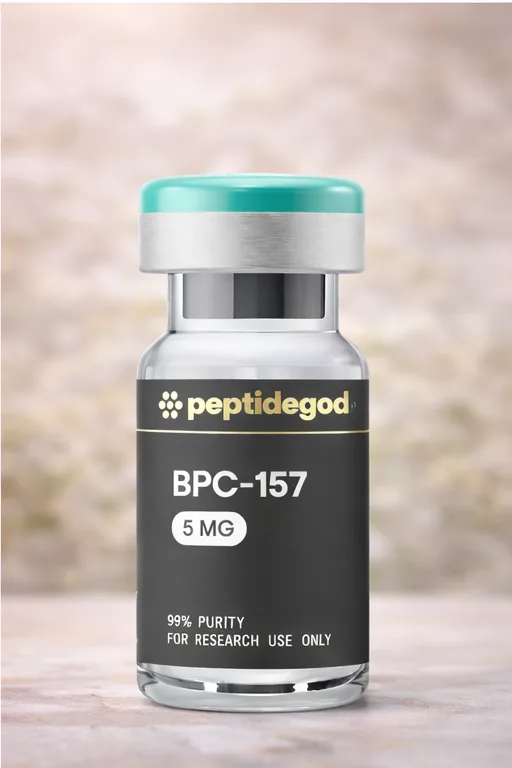
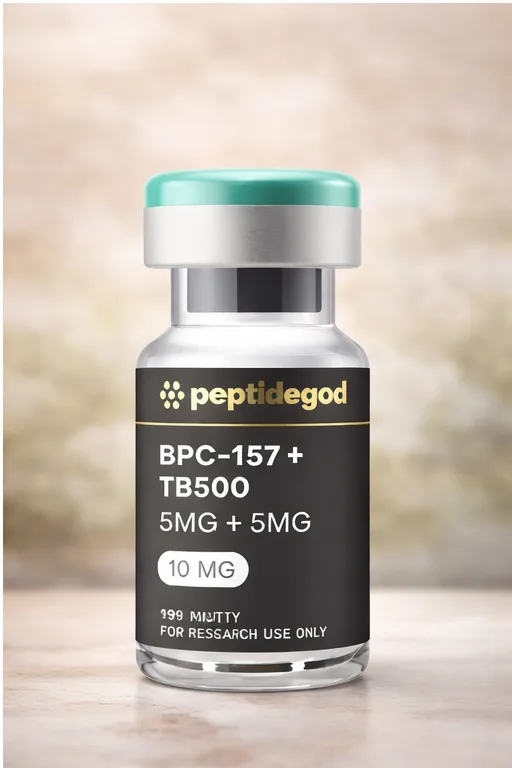
See top-rated vendors
Compare prices, purity and shipping at a glance.
Reviewed by the Bpc157 Peptides Research Team · Last updated January 2026
References & Scientific Sources
- Chang C-H, et al. Pentadecapeptide BPC 157 enhances tendon fibroblast outgrowth. J Appl Physiol. 2011.
- Sikiric P, et al. BPC 157 and standard angiogenic growth factors. Curr Pharm Des. 2018.
- Seiwerth S, et al. BPC 157 and blood-vessel recruitment in healing. Curr Pharm Des. 2018.
Sources are provided for educational reference. This content is informational and not a substitute for professional medical advice.