Injectable BPC-157 Peptide
Injectable BPC-157 Peptide
What Is Injectable BPC-157?
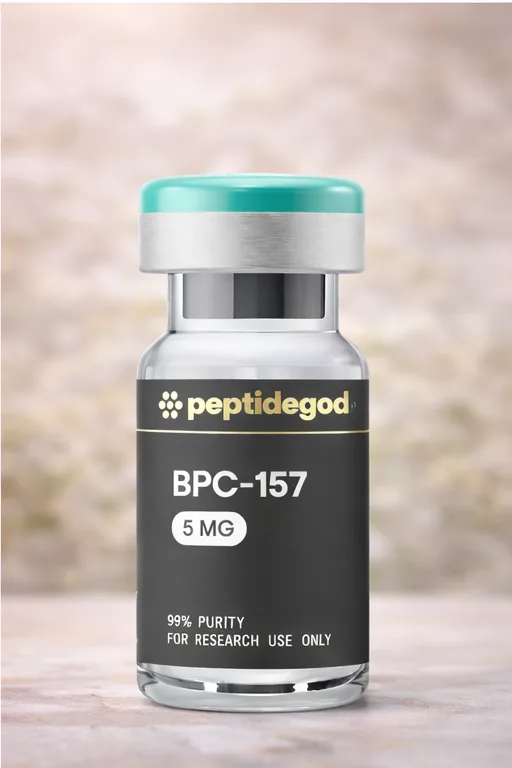
BPC-157 is a synthetic pentadecapeptide composed of 15 amino acids, derived from a protective protein found in human gastric juice. The injectable form delivers this compound directly into systemic circulation or targeted tissue, bypassing the digestive degradation that can limit oral bioavailability. Researchers working with bpc 157 peptides typically favor the injectable route when studying localized musculoskeletal effects or systemic healing responses, as it allows for more precise dosing and consistent plasma concentration.
The compound is administered either subcutaneously or intramuscularly depending on the research protocol. Subcutaneous injection deposits the peptide into fatty tissue beneath the skin, providing a slower absorption curve. Intramuscular injection targets deeper muscle tissue, which may accelerate uptake when researchers are studying acute responses in animal models.
Mechanisms Under Investigation
Preclinical research has identified several biological pathways through which BPC-157 appears to exert its effects. Studies published in journals including the Journal of Physiology-Paris and Current Pharmaceutical Design point to upregulation of growth hormone receptor expression and modulation of the nitric oxide system as two primary mechanisms. The peptide appears to stimulate the formation of new blood vessels through angiogenesis, a process that is critical for delivering oxygen and nutrients to damaged tissue.
Additional in vitro and animal studies suggest BPC-157 interacts with the dopaminergic and serotonergic systems, which has led researchers to explore its potential relevance in neurological and gastrointestinal research contexts. The peptide also demonstrates apparent cytoprotective properties in the gut lining, consistent with its gastric origin.
Research Applications and Target Tissues
The majority of published BPC-157 research focuses on musculoskeletal and connective tissue repair. Tendon and ligament healing models have shown accelerated recovery of tensile strength in animal subjects following injection near the site of injury. Bone and muscle healing studies have similarly reported positive outcomes in rodent models, with observable differences in collagen organization and inflammatory marker profiles.
Researchers investigating bpc 157 peptides have also explored gastrointestinal applications. Animal models of inflammatory bowel conditions and surgically induced gut damage have been used to study the peptide's protective and regenerative potential in intestinal epithelium. Some studies have examined liver and pancreatic tissue as well, expanding the scope of ongoing preclinical investigation.
Common Research Models
- Sprague-Dawley and Wistar rat models for tendon transection and anastomosis studies
- Murine colitis models for gastrointestinal inflammation research
- Controlled crush injury models for peripheral nerve regeneration studies
- Alcohol-induced liver damage models to evaluate hepatoprotective potential
- NSAID-induced gastric ulcer models examining cytoprotective effects
Preparation and Handling Protocols
Injectable BPC-157 intended for research use is typically supplied as a lyophilized powder requiring reconstitution with bacteriostatic water or sterile water for injection. The reconstituted solution should be stored at refrigerated temperatures and used within a defined window to preserve peptide integrity. Researchers standardly prepare stock solutions at concentrations that allow for accurate small-volume dosing, commonly in the range of 200 to 500 micrograms per milliliter depending on the study design.
Proper aseptic technique is essential throughout the reconstitution process to prevent contamination. This includes use of sterile syringes, alcohol swab preparation of vial septa, and storage in sealed, labeled vials away from direct light. Researchers sourcing bpc 157 peptides should verify certificate of analysis documentation confirming purity levels, typically assessed by HPLC, and confirm absence of endotoxins via LAL testing before use in biological assays.
Regulatory and Research Context
BPC-157 is not approved by the FDA or equivalent regulatory agencies for clinical use in humans. It remains classified as a research compound, and its procurement, handling, and use are governed by institutional research guidelines and applicable regulations in each jurisdiction. Any research involving animal subjects requires proper ethics committee approval and adherence to institutional animal care and use protocols.
This article is intended solely for informational and educational purposes in the context of scientific research. It does not constitute medical advice, and BPC-157 should not be used for self-treatment or administered to humans outside of appropriately sanctioned clinical trial frameworks. Researchers and institutions interested in this peptide should consult current literature and regulatory guidance before initiating any study protocol.
Recommended products
 30 capsules.webp)
 60 capsules.webp)
See top-rated vendors
Compare prices, purity and shipping at a glance.
Reviewed by the Bpc157 Peptides Research Team · Last updated January 2026
References & Scientific Sources
- Chang C-H, et al. Pentadecapeptide BPC 157 enhances tendon fibroblast outgrowth. J Appl Physiol. 2011.
- Sikiric P, et al. BPC 157 and standard angiogenic growth factors. Curr Pharm Des. 2018.
- Seiwerth S, et al. BPC 157 and blood-vessel recruitment in healing. Curr Pharm Des. 2018.
Sources are provided for educational reference. This content is informational and not a substitute for professional medical advice.