BPC-157 vs TB-500
BPC-157 vs TB-500
What Are These Peptides?
BPC-157 and TB-500 are two of the most widely researched peptides in the field of tissue repair and recovery. While they are often discussed together and are sometimes stacked in research protocols, they are structurally and mechanistically distinct compounds. Understanding what each one does at a biological level helps clarify why researchers continue to study them side by side.
BPC-157, short for Body Protection Compound-157, is a synthetic 15-amino-acid sequence derived from a protein found in gastric juice. It does not occur in this exact form in nature but is based on a naturally occurring fragment. TB-500 is a synthetic version of a region of Thymosin Beta-4, a 43-amino-acid protein found in virtually all human and animal cells. The active segment most often used in research is the amino acid sequence LKKTETQ, which is responsible for much of Thymosin Beta-4's biological activity.
Mechanisms of Action
How BPC-157 Works
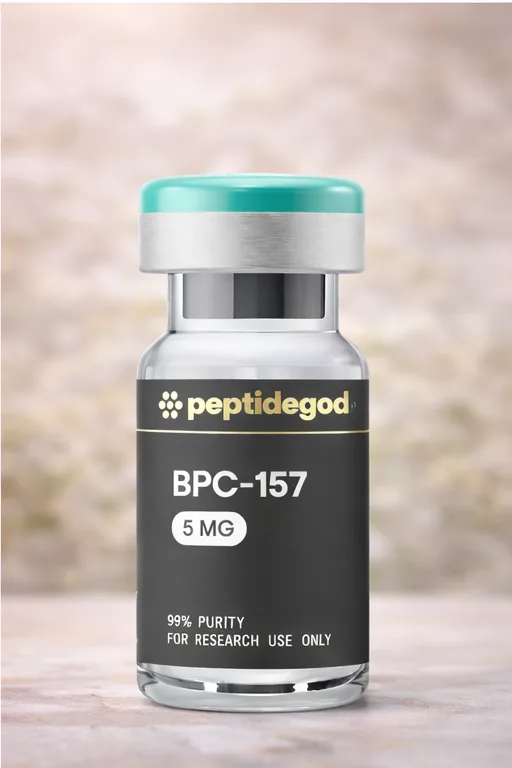
BPC-157 exerts much of its observed effect through interaction with the nitric oxide system. Research in animal models has shown that it promotes angiogenesis, the formation of new blood vessels, and appears to accelerate the healing of tendons, ligaments, muscles, and the gastrointestinal tract. It has also demonstrated neuroprotective properties in several rodent studies. Among bpc 157 peptides studied in preclinical settings, BPC-157 stands out for its apparent ability to upregulate growth hormone receptors in tendon fibroblasts, potentially amplifying the tissue-repair signal even in low-growth-hormone environments.
How TB-500 Works
TB-500 operates primarily by binding to actin, a structural protein critical to cell movement and proliferation. By sequestering actin monomers, the peptide regulates the formation of the cytoskeleton in ways that promote cell migration to injury sites. This mechanism makes it particularly relevant to wound healing and soft tissue repair. Studies in animal models have shown TB-500 to reduce inflammation, improve flexibility in connective tissue, and accelerate recovery in cardiac tissue after injury. Its systemic distribution, facilitated by low molecular weight and high solubility, may give it a broader reach than more locally acting compounds.
Comparing Research Profiles
When researchers compare these two peptides, several differences emerge. BPC-157 has a stronger body of evidence focused on gastrointestinal healing, including studies on stomach ulcers, inflammatory bowel conditions, and gut-brain interactions. TB-500 research leans more heavily toward cardiovascular and musculoskeletal applications, with several studies examining its role in promoting angiogenesis following ischemic events. Both peptides show anti-inflammatory properties, but through different molecular pathways, which is part of why they are sometimes combined in research settings rather than treated as interchangeable alternatives.
In terms of stability, BPC-157 is considered relatively stable in gastric acid, which has made oral administration a subject of ongoing investigation in animal models. TB-500, on the other hand, is typically studied via subcutaneous or intravenous routes in research contexts. Neither compound has completed the clinical trial pipeline required for approved therapeutic use in humans as of the current date.
Dosing Protocols in Preclinical Research
Animal studies involving BPC-157 have used a wide range of doses, commonly between 1 and 10 micrograms per kilogram of body weight, administered intraperitoneally or subcutaneously. TB-500 studies have used doses in the range of 2 to 2.5 milligrams per kilogram in some rodent models. These figures are provided purely for scientific context and cannot be extrapolated to human dosing recommendations. The pharmacokinetics of both peptides in humans remain inadequately characterized in published literature.
- BPC-157 half-life in animal models is estimated at under 24 hours
- TB-500 is believed to have a longer residence time due to actin binding
- Both are typically stored lyophilized and reconstituted with bacteriostatic water for research use
- Neither compound has FDA approval for human therapeutic use
- Combination protocols are being explored in preclinical settings to assess synergistic effects
Which Peptide Is More Relevant to Your Research Goals?
Choosing between these two compounds depends entirely on the tissue systems and biological pathways under investigation. Researchers focused on gastrointestinal integrity, tendon healing, or neurological protection will find a denser literature base around bpc 157 peptides. Those studying systemic wound healing, cardiovascular repair, or processes tied to actin dynamics and cell motility may find TB-500 more directly applicable to their research questions.
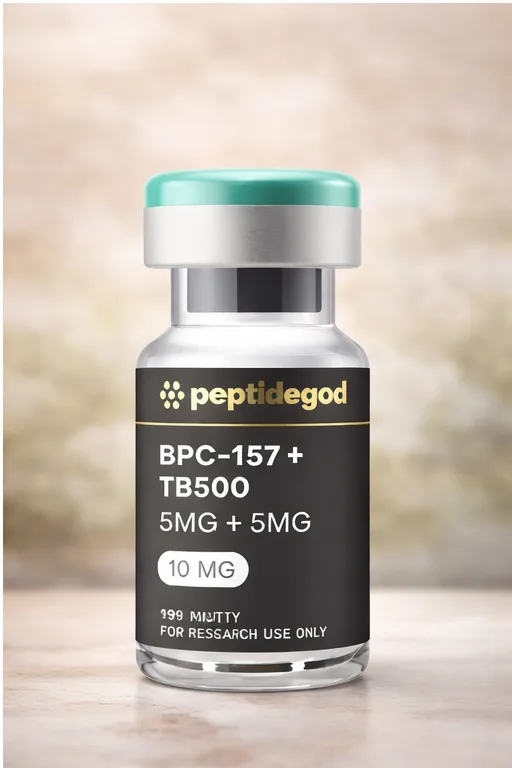
A growing number of preclinical protocols use both peptides concurrently, hypothesizing that their complementary mechanisms may produce additive or synergistic outcomes. BPC-157 may prime the local environment through nitric oxide modulation and growth factor receptor upregulation, while TB-500 promotes the migration of repair cells to that environment. This dual-pathway approach remains speculative but is a productive area of ongoing inquiry.
All research involving bpc 157 peptides and related compounds should be conducted in appropriate laboratory or preclinical settings under institutional oversight. The information presented here is strictly for educational and research orientation purposes and does not constitute medical advice, diagnosis, or treatment guidance of any kind.
Recommended products
 30 capsules.webp)
 60 capsules.webp)
See top-rated vendors
Compare prices, purity and shipping at a glance.
Reviewed by the Bpc157 Peptides Research Team · Last updated January 2026
References & Scientific Sources
- Chang C-H, et al. Pentadecapeptide BPC 157 enhances tendon fibroblast outgrowth. J Appl Physiol. 2011.
- Sikiric P, et al. BPC 157 and standard angiogenic growth factors. Curr Pharm Des. 2018.
- Seiwerth S, et al. BPC 157 and blood-vessel recruitment in healing. Curr Pharm Des. 2018.
Sources are provided for educational reference. This content is informational and not a substitute for professional medical advice.