BPC-157 Peptide Chemistry 2026: Sequence, Synthesis & Research Overview
For researchers and informed users who want more than dosing guides—this site covers BPC-157's molecular structure, biochemical properties, synthesis standards, and the depth of its research literature.
What the research shows
Major effect categories reported across the BPC-157 literature.
Tendon & joint repair
Strongest evidence in connective-tissue healing models.
Gut lining integrity
Originally derived from gastric juice — strong GI mucosa effects.
Soft-tissue recovery
Studied in crushed-muscle and traumatic ligament-injury rat models.
Neuroprotective signals
Reported CNS-protective effects in ischemia models.
Favorable safety profile
No serious adverse events at common research doses in animal data.
Research-grade only
Not approved for human consumption. Sold for in-vitro use.
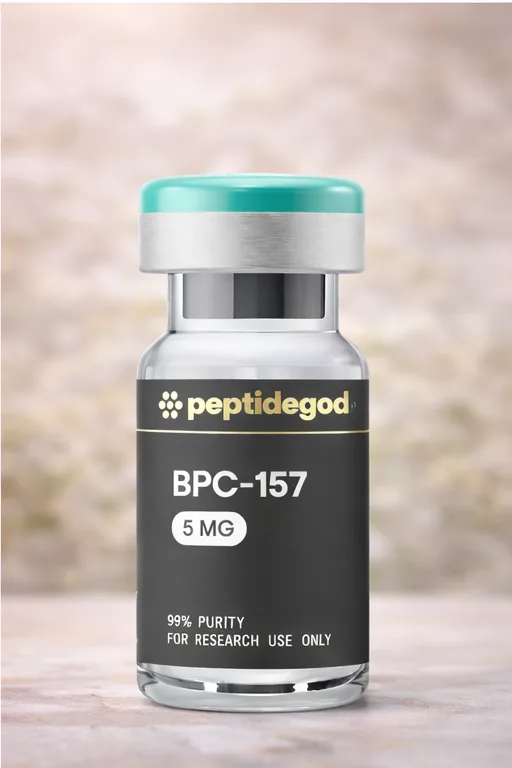
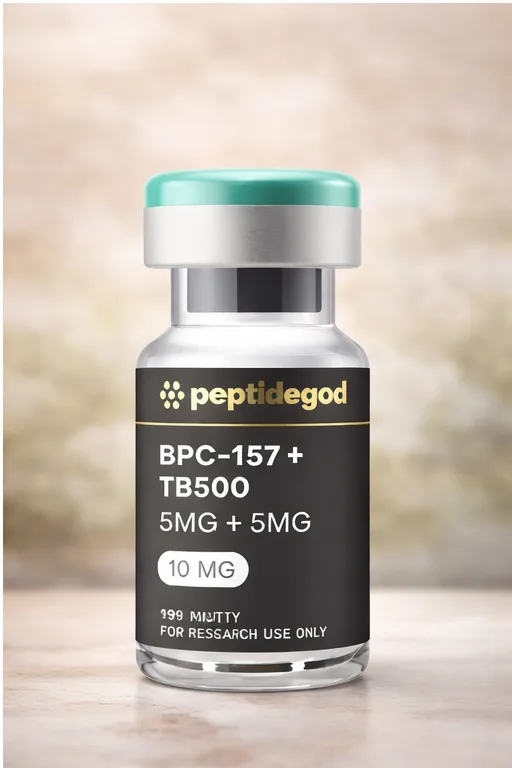
Top sources for 2026
Vendors that publish per-batch COA and ship globally.
 30 capsules.webp)
 60 capsules.webp)
BPC-157 Peptide Chemistry: Research-Level Questions
What is the purity standard I should expect from research-grade BPC-157?
Why does BPC-157 survive stomach acid when other peptides don't?
What is the difference between BPC-157 manufactured by solid-phase vs recombinant methods?
How should lyophilized BPC-157 be stored for maximum long-term stability?
Ready to pick a vendor?
Vetted list with per-batch COA and global shipping.
Reviewed by the Bpc157 Peptides Research Team · Last updated January 2026
References & Scientific Sources
- Chang C-H, et al. Pentadecapeptide BPC 157 enhances tendon fibroblast outgrowth. J Appl Physiol. 2011.
- Sikiric P, et al. BPC 157 and standard angiogenic growth factors. Curr Pharm Des. 2018.
- Seiwerth S, et al. BPC 157 and blood-vessel recruitment in healing. Curr Pharm Des. 2018.
Sources are provided for educational reference. This content is informational and not a substitute for professional medical advice.