Oral BPC-157 Peptide
Oral BPC-157 Peptide
What Is Oral BPC-157?
BPC-157 is a synthetic pentadecapeptide composed of 15 amino acids, derived from a protective protein found in gastric juice. The oral form refers to administration by mouth, typically as capsules or dissolved powder, rather than through subcutaneous or intramuscular injection. Researchers have explored this delivery route because the peptide appears to demonstrate stability in gastric acid — an unusual property for peptides, most of which degrade rapidly in the digestive tract. This gastric resistance has made oral BPC-157 a subject of ongoing preclinical study, particularly for conditions involving the gastrointestinal system, where direct local tissue contact may enhance bioavailability at the site of interest.
Oral vs. Injectable: Bioavailability Considerations
One of the central research questions surrounding bpc 157 peptides is whether the oral route achieves systemic exposure comparable to injection. In rodent models, orally administered BPC-157 has produced measurable effects on distant tissues, including tendon, bone, and neurological structures, suggesting at least partial systemic absorption. However, the precise bioavailability percentage in humans remains unestablished in peer-reviewed clinical literature. The working hypothesis among researchers is that a fraction of the peptide survives gastric passage, enters the portal circulation, and interacts with growth factor receptors and nitric oxide pathways systemically, while the remainder acts locally on the gastric and intestinal mucosa.
Injection, by contrast, bypasses first-pass metabolism entirely, delivering the peptide directly to the bloodstream. For systemic targets such as skeletal muscle, joints, or the central nervous system, injectable routes likely produce higher peak plasma concentrations. Oral administration may be more appropriate in study designs focused on gut-specific endpoints — inflammatory bowel conditions, ulcers, or intestinal permeability — where local mucosal contact is the primary mechanism under investigation.
Mechanisms Under Investigation
Nitric Oxide Pathway Modulation
Multiple preclinical studies point to BPC-157's interaction with the nitric oxide (NO) system as a central mechanism. The peptide appears to upregulate endothelial nitric oxide synthase (eNOS) activity, promoting vasodilation and angiogenesis. This vascular effect may explain observed improvements in wound healing and tissue perfusion in animal models, regardless of whether the peptide is given orally or by injection.
Growth Factor Upregulation
Research in rodent models indicates that BPC-157 influences expression of vascular endothelial growth factor (VEGF) and fibroblast growth factor (FGF), both involved in tissue repair cascades. Studies using orally dosed bpc 157 peptides have documented accelerated healing of gastric ulcers, colonic anastomosis sites, and esophageal lesions, lending support to the idea that the gastrointestinal tract is particularly responsive to oral delivery of this compound.
Areas of Preclinical Research
The majority of published data on oral BPC-157 comes from rodent studies conducted over the past three decades, with a concentration of work from Croatian research groups. Key areas explored include:
- Gastric ulcer healing and mucosal protection against NSAID-induced damage
- Inflammatory bowel disease models, including colitis induced by acetic acid or trinitrobenzenesulfonic acid
- Intestinal permeability and short bowel syndrome recovery
- Tendon-to-bone healing when the peptide is administered orally alongside surgical models
- Neurological outcomes in traumatic brain injury and spinal cord lesion models
Across these studies, oral doses ranging from 10 nanograms to 10 micrograms per kilogram of body weight have been used, with some protocols employing drinking water administration over multi-week periods. The dose-response relationship for the oral route is not yet well characterized, and extrapolation to human dosing remains speculative without controlled clinical trial data.
Stability and Formulation
The stability of BPC-157 in acidic environments is attributed to its sequence structure, which resists pepsin cleavage better than most peptides. Lyophilized powder formulations stored below room temperature maintain integrity for extended periods. Capsule formulations used in research settings often include excipients designed to delay release until the peptide reaches the small intestine, theoretically improving absorption. Researchers sourcing bpc 157 peptides for study should verify purity by high-performance liquid chromatography (HPLC) and mass spectrometry, as degradation products or impurities complicate interpretation of experimental results.
Research Status and Limitations
As of current literature, BPC-157 has not completed Phase II or Phase III clinical trials in any indication. All mechanistic and efficacy data derive from in vitro assays and animal models. The translation of these findings to human physiology is an open research question. No regulatory agency has approved BPC-157 as a therapeutic agent. This article is provided for informational purposes relating to ongoing scientific research only and does not constitute medical advice, diagnosis, or a recommendation for human use.
Recommended products
 30 capsules.webp)
 60 capsules.webp)
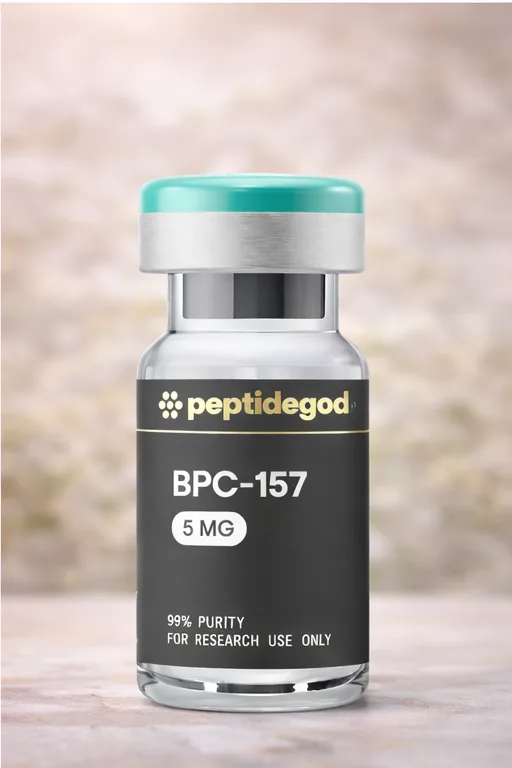
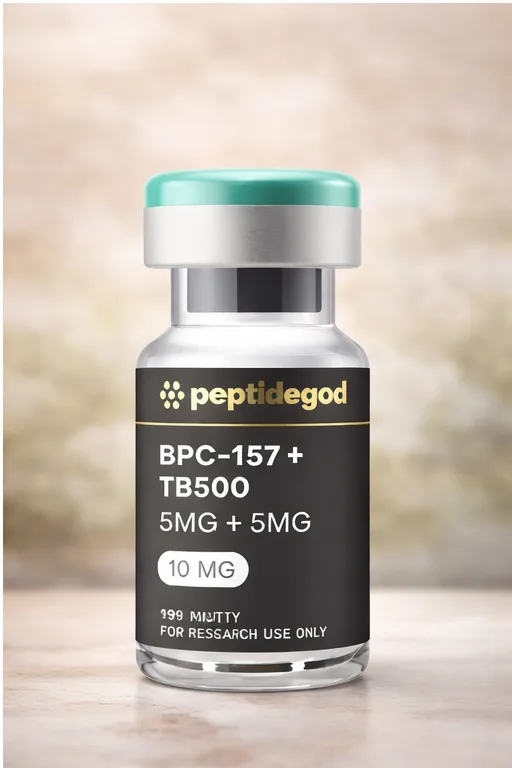
See top-rated vendors
Compare prices, purity and shipping at a glance.
Reviewed by the Bpc157 Peptides Research Team · Last updated January 2026
References & Scientific Sources
- Chang C-H, et al. Pentadecapeptide BPC 157 enhances tendon fibroblast outgrowth. J Appl Physiol. 2011.
- Sikiric P, et al. BPC 157 and standard angiogenic growth factors. Curr Pharm Des. 2018.
- Seiwerth S, et al. BPC 157 and blood-vessel recruitment in healing. Curr Pharm Des. 2018.
Sources are provided for educational reference. This content is informational and not a substitute for professional medical advice.