Buy BPC-157 Peptide Online
Buy BPC-157 Peptide Online
What Is BPC-157 and Why Researchers Study It
BPC-157 is a synthetic pentadecapeptide composed of 15 amino acids. It is derived from a partial sequence of Body Protection Compound, a protein originally isolated from human gastric juice. Unlike many peptides that degrade rapidly in biological fluids, BPC-157 demonstrates remarkable stability in stomach acid, which has made it a subject of sustained interest in preclinical research settings. Scientists investigating tissue repair, angiogenesis, and tendon-to-bone healing have documented a range of activity in animal models, making BPC-157 one of the more frequently cited compounds in sports medicine and regenerative biology literature.
The peptide acts through several proposed mechanisms. Research suggests it modulates nitric oxide pathways, influences growth hormone receptor expression, and upregulates growth factors such as VEGF, which plays a central role in new blood vessel formation. These properties position bpc 157 peptides as a research tool for studying how the body responds to soft-tissue injury, gut inflammation, and neurological stress. It is important to note that all current evidence comes from in vitro studies and animal trials; no large-scale human clinical trials have been completed as of this writing.
Forms Available When You Buy BPC-157 Peptide Online
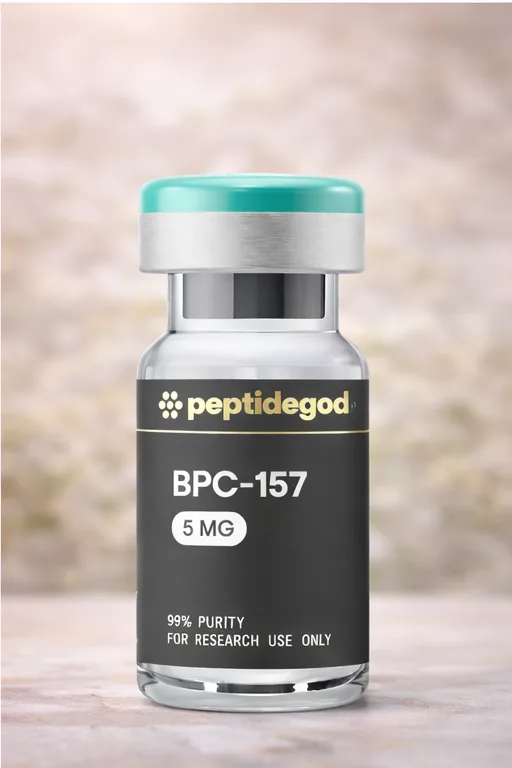
Research suppliers typically offer BPC-157 in two primary forms: lyophilized powder sealed in sterile vials and, less commonly, an oral capsule or liquid preparation marketed strictly for laboratory use. The lyophilized powder format is the most widely used because freeze-drying preserves peptide integrity during shipping and storage. Vials are commonly available in 5 mg quantities, though 2 mg and 10 mg sizes are also found depending on the vendor.
When evaluating a source, researchers look for certificates of analysis generated by independent third-party laboratories. A credible COA will include high-performance liquid chromatography data confirming purity above 98 percent and mass spectrometry results verifying the correct molecular weight of 1419.53 Daltons for BPC-157 acetate salt. Vendors who publish batch-specific COAs rather than generic documents provide a meaningful level of quality assurance that matters when research data needs to be reproducible.
Key Factors to Evaluate Before Purchasing
Not all peptide suppliers operate with the same standards. Researchers sourcing bpc 157 peptides for laboratory work should consider several criteria before committing to a vendor.
- Third-party purity testing with batch-specific HPLC and MS documentation
- Sterility testing and endotoxin reports for injectable-grade preparations
- Transparent manufacturing information, including country of synthesis
- Cold-chain shipping options to protect peptide stability during transit
- Clear terms of sale stating that products are for research purposes only
Storage conditions matter significantly once the product arrives. Lyophilized BPC-157 should be kept at or below minus 20 degrees Celsius when stored long term. After reconstitution with bacteriostatic water, the peptide solution is best refrigerated at 4 degrees Celsius and used within two to four weeks. Repeated freeze-thaw cycles degrade the peptide chain and reduce the reliability of any research data collected from the compound.
Regulatory and Research Context
BPC-157 occupies an interesting regulatory position. In the United States, it is not approved by the FDA for any therapeutic use and is not classified as a controlled substance under the Controlled Substances Act. However, the FDA has issued guidance flagging BPC-157 as an unapproved drug ingredient, which restricts its sale as a dietary supplement. In most jurisdictions it remains legal to purchase for legitimate in vitro and in vivo research. Buyers are responsible for understanding the specific import and possession regulations in their own country before placing an order.
Within the research community, interest in bpc 157 peptides continues to grow alongside a broader expansion of peptide science. Institutions studying gut permeability, rotator cuff repair models, and traumatic brain injury recovery have all referenced BPC-157 in preclinical protocols. The absence of clinical trial data does not diminish the scientific relevance of the compound; it simply underscores that findings from animal models have not yet been validated in human subjects under controlled conditions.
Storing and Handling BPC-157 in a Research Setting
Proper handling protocol begins with reconstitution. Researchers typically add bacteriostatic water slowly along the inside wall of the vial rather than injecting it directly onto the lyophilized cake, which can cause mechanical shearing of the peptide structure. Gentle swirling rather than vigorous shaking is recommended until the powder is fully dissolved. The resulting solution should be clear with no visible particulate matter.
Labeling reconstituted vials with the date and concentration is a basic but essential practice in any research log. Since BPC-157 has no color in solution, visual inspection cannot confirm concentration; only the original COA and careful volumetric calculation can verify dosing parameters used in a given experiment. Researchers using multi-dose vials should draw aliquots under aseptic conditions to minimize contamination risk over the life of the vial.
As with all research chemicals, BPC-157 should be handled by qualified personnel in appropriate laboratory environments. This article is intended solely as an informational resource for researchers and does not constitute medical advice, a treatment recommendation, or an endorsement of any specific commercial vendor.
Recommended products
 30 capsules.webp)
 60 capsules.webp)
See top-rated vendors
Compare prices, purity and shipping at a glance.
Reviewed by the Bpc157 Peptides Research Team · Last updated January 2026
References & Scientific Sources
- Chang C-H, et al. Pentadecapeptide BPC 157 enhances tendon fibroblast outgrowth. J Appl Physiol. 2011.
- Sikiric P, et al. BPC 157 and standard angiogenic growth factors. Curr Pharm Des. 2018.
- Seiwerth S, et al. BPC 157 and blood-vessel recruitment in healing. Curr Pharm Des. 2018.
Sources are provided for educational reference. This content is informational and not a substitute for professional medical advice.