BPC-157 Peptide Dosage
BPC-157 Peptide Dosage
What Is BPC-157 and Why Dosage Matters
BPC-157 is a synthetic pentadecapeptide derived from a protective protein found in gastric juice. Its 15-amino-acid sequence — Gly-Glu-Pro-Pro-Pro-Gly-Lys-Pro-Ala-Asp-Asp-Ala-Gly-Leu-Val — does not occur naturally in this form but is modeled on a fragment of human Body Protection Compound. Researchers have investigated it for its apparent role in angiogenesis, collagen synthesis, and modulation of growth hormone receptors. Because it is a research compound with no approved human clinical dose, understanding how dosage has been structured in preclinical and early human research is essential for anyone studying this peptide responsibly.
Dosage precision matters more with peptides than with many small molecules because peptides are cleared quickly, are sensitive to route of administration, and often exhibit a non-linear dose-response relationship. Getting the quantity right in a research context means accounting for the subject's body weight, the target tissue, and the administration method simultaneously.
Common Dosage Ranges Used in Research
Animal studies have used a wide band of doses, but the most frequently cited range in peer-reviewed literature is 1 to 10 micrograms per kilogram of body weight per day. A smaller subset of studies has used doses as high as 200 micrograms per kilogram without observing overt toxicity in rodent models, though extrapolating these figures to human research protocols requires caution. Most human self-reported research logs — which carry less scientific weight than controlled studies — cluster around 200 to 500 micrograms per day total, administered once or twice daily.
Researchers working with bpc 157 peptides typically begin observations at the lower end of this range and titrate upward based on measurable outcomes such as inflammatory markers or tissue imaging. A starting reference point of 200 micrograms daily, split into two 100-microgram administrations, appears consistently in research notes, though this is not a clinical recommendation.
Routes of Administration and Their Effect on Effective Dose
Subcutaneous Injection
Subcutaneous (SC) injection delivers the peptide into the fat layer just beneath the skin, allowing for relatively consistent absorption. Research using this route generally applies doses of 250 to 500 micrograms per day. Injection sites are rotated to prevent localized irritation, and the peptide is typically reconstituted in bacteriostatic water at concentrations of 500 to 1000 micrograms per milliliter to keep injection volumes manageable.
Intramuscular Injection
Intramuscular (IM) delivery is used in studies targeting musculoskeletal repair. Doses in this route mirror SC ranges but may be applied closer to the injury site in some protocols. IM injection allows for slightly faster peak plasma concentration compared to SC.
Oral Administration
Several animal studies have demonstrated that BPC-157 retains activity when administered orally, which is notable because most peptides are degraded in the gastrointestinal tract. Oral doses in rodent research are substantially higher — often 10 micrograms per kilogram or more — to compensate for incomplete absorption. This route is primarily investigated for gut-related research endpoints such as intestinal anastomosis healing and NSAID-induced ulceration.
Cycle Length and Frequency Considerations
Preclinical research protocols vary widely in duration. Short-term studies run 7 to 14 days and are used to observe acute healing responses. Longer protocols extend to 4 to 8 weeks when studying chronic conditions or structural tissue remodeling. Researchers studying bpc 157 peptides over extended periods often incorporate observation windows between cycles to assess whether effects persist after cessation, which can provide insight into whether the peptide triggers lasting biological changes or requires continuous presence to maintain outcomes.
- Acute phase studies: 7 to 14 days, daily administration
- Subacute studies: 3 to 4 weeks, often once-daily dosing
- Chronic studies: 6 to 8 weeks, sometimes split-dose protocols
- Post-cycle observation: 1 to 2 weeks of no administration followed by re-assessment
Purity, Reconstitution, and Dose Accuracy
Dosage calculations are only as accurate as the source peptide. For research use, BPC-157 should be sourced from suppliers who provide third-party high-performance liquid chromatography (HPLC) purity certificates, with acceptable purity typically above 98 percent. Lyophilized powder should be reconstituted slowly using bacteriostatic water to preserve structural integrity. Once reconstituted, the solution should be stored at 2 to 8 degrees Celsius and used within four weeks.
Accurate dosing requires calibrated insulin syringes or micro-volume syringes. A researcher preparing a 500 microgram per milliliter solution who draws 0.4 milliliters is administering 200 micrograms — a straightforward calculation, but errors in reconstitution volume propagate directly into every subsequent dose. Standardizing the concentration across a study batch eliminates one source of variability in research data.
Disclaimer
This article is intended solely for informational and educational purposes related to ongoing peptide research. BPC-157 is not approved by the FDA or any equivalent regulatory body for human therapeutic use. Nothing in this article constitutes medical advice, and researchers should consult applicable regulations before working with this compound. All dosage figures referenced here are drawn from preclinical animal studies or observational human research and should not be interpreted as safe or effective doses for any individual.
Recommended products
 30 capsules.webp)
 60 capsules.webp)
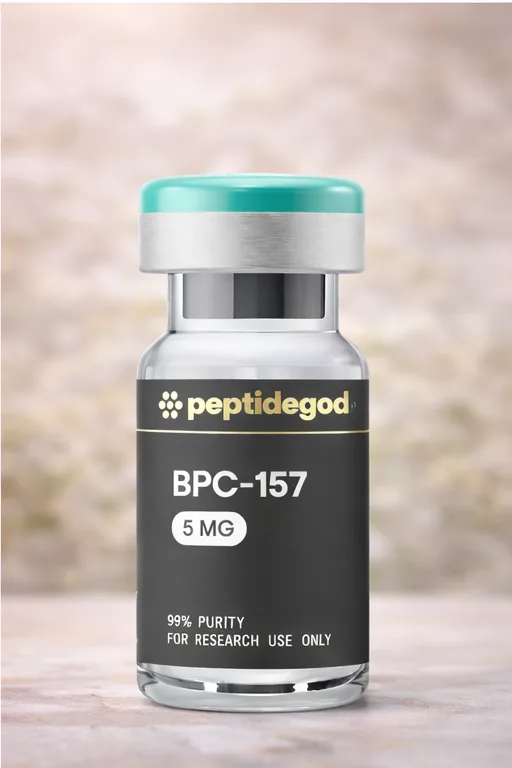
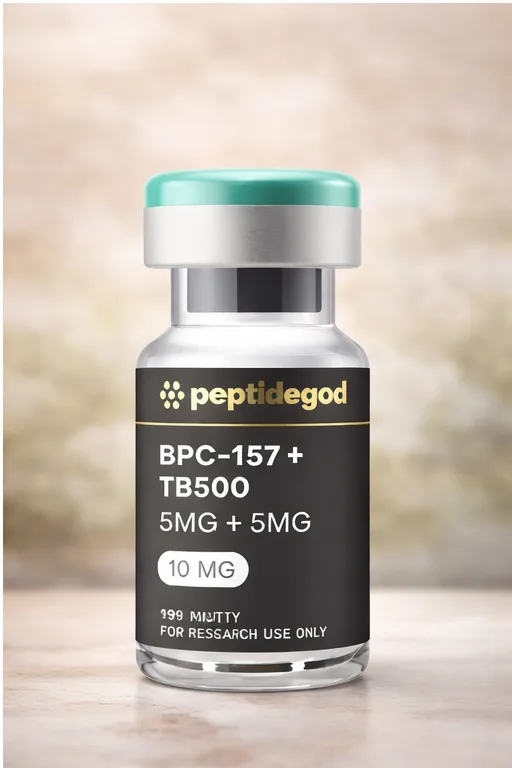
See top-rated vendors
Compare prices, purity and shipping at a glance.
Reviewed by the Bpc157 Peptides Research Team · Last updated January 2026
References & Scientific Sources
- Chang C-H, et al. Pentadecapeptide BPC 157 enhances tendon fibroblast outgrowth. J Appl Physiol. 2011.
- Sikiric P, et al. BPC 157 and standard angiogenic growth factors. Curr Pharm Des. 2018.
- Seiwerth S, et al. BPC 157 and blood-vessel recruitment in healing. Curr Pharm Des. 2018.
Sources are provided for educational reference. This content is informational and not a substitute for professional medical advice.