Best Peptide Suppliers
Best Peptide Suppliers
What to Look for in a Peptide Supplier
Choosing a reliable peptide supplier is one of the most consequential decisions a researcher can make. The quality of raw peptide compounds directly affects experimental reproducibility, safety, and the validity of any findings. Substandard peptides can introduce impurities that confound results or render entire research cycles worthless. Before placing an order, researchers should evaluate suppliers against a consistent set of criteria: third-party testing, synthesis purity guarantees, transparent documentation, and institutional credibility.
Purity is the baseline metric. Reputable suppliers will offer peptides with a minimum of 98% purity, verified by high-performance liquid chromatography (HPLC) and mass spectrometry (MS). Both test types serve different purposes — HPLC quantifies purity by separating compounds, while MS confirms molecular identity. Any supplier unwilling to share these certificates of analysis (COAs) for individual batches should be disqualified immediately.
Third-Party Testing and Certification Standards
The gold standard for supplier credibility is independent, third-party laboratory verification. This means the testing is conducted by a facility with no financial relationship to the manufacturer. Some suppliers conduct testing in-house, which introduces a conflict of interest that undermines the reliability of reported purity figures. Third-party COAs should include the testing lab's name, accreditation status, and batch-specific results rather than generic product-level summaries.
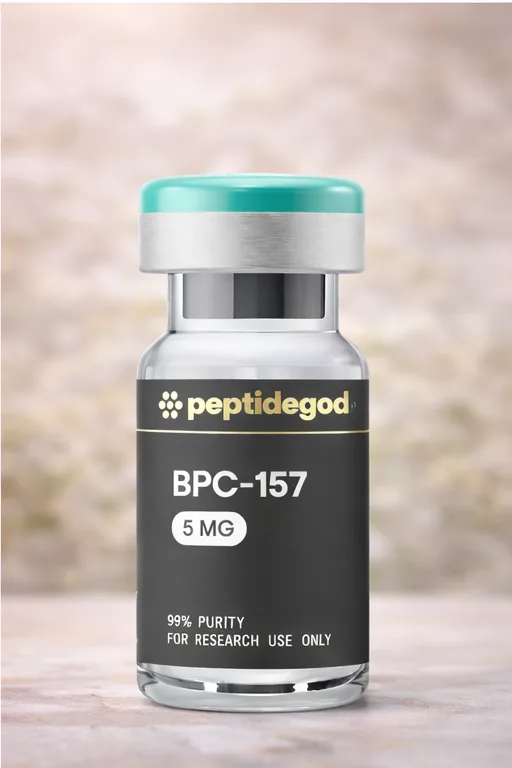
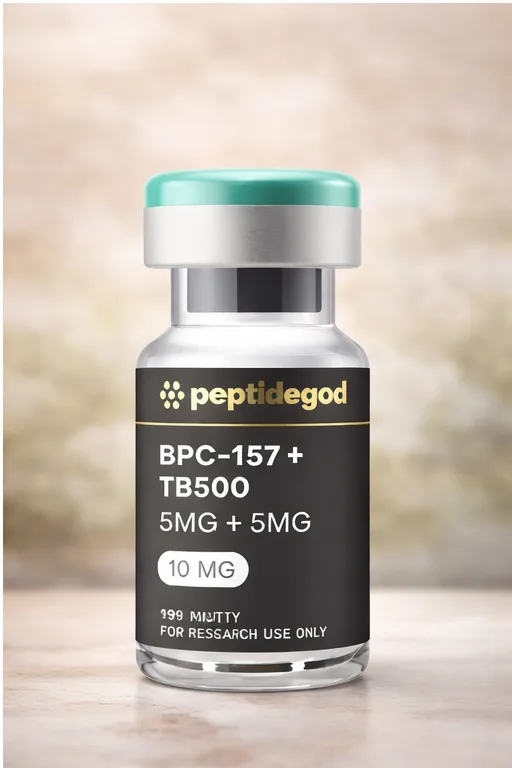
Researchers working with bpc 157 peptides should pay particular attention to whether the COA reflects the exact lot being shipped. Suppliers that reuse old COAs across multiple production runs are a significant red flag. ISO-certified manufacturing environments and GMP (Good Manufacturing Practice) compliance are additional markers of operational discipline, though not all legitimate research suppliers carry full pharmaceutical GMP status.
Top Criteria When Comparing Suppliers
When ranking peptide vendors side by side, the following factors consistently separate reliable sources from unreliable ones. Researchers should treat this as a structured checklist rather than a general impression.
- Batch-specific HPLC and MS certificates available before or at time of purchase
- Minimum advertised purity of 98% or higher for research-grade compounds
- Clear sourcing disclosure — domestic synthesis versus overseas manufacturing
- Lyophilized (freeze-dried) powder format with proper cold-chain shipping options
- Responsive customer support with scientific knowledge, not just order processing
- Published return or replacement policy for failed quality checks
- Transparent pricing without hidden reconstitution kit bundles that inflate effective cost
Domestic vs. International Suppliers
The debate between sourcing peptides domestically versus internationally involves trade-offs in cost, transit time, customs risk, and quality control oversight. Domestic US suppliers generally face more regulatory scrutiny, which can serve as an indirect quality filter. International suppliers, particularly those based in China, often offer lower per-milligram pricing but introduce variability in synthesis standards and longer shipping windows that can degrade temperature-sensitive compounds in transit.
For researchers specifically sourcing bpc 157 peptides, domestic suppliers with verifiable US-based synthesis facilities tend to offer better consistency across batches. The 15-amino-acid structure of BPC-157 is relatively straightforward to synthesize, but sequence fidelity and the absence of truncated chains still require rigorous QC. Researchers should request sequence verification data alongside standard purity metrics when evaluating any new vendor.
Red Flags and Supplier Vetting Pitfalls
Even experienced researchers occasionally encounter supplier misrepresentation. Common red flags include: marketing language that conflates research peptides with therapeutic or clinical products, absence of downloadable COAs on the product page, and pricing that falls dramatically below market averages without explanation. Unusually low prices often indicate lower synthesis purity, older stock, or repackaged bulk powder of unknown origin.
Community-driven vetting through researcher forums and peer review networks remains one of the most practical tools for supplier evaluation. Independent researchers sharing batch-level testing data across platforms create a distributed quality-assurance layer that no single buyer could replicate alone. When assessing bpc 157 peptides suppliers in particular, look for vendors with a documented track record in that specific compound rather than generalist catalog sellers offering hundreds of peptides with minimal specialization.
Storage, Handling, and Supplier Support
A supplier's responsibility does not end at shipment. Proper peptide integrity depends on correct storage guidance, adequate packaging, and clear reconstitution instructions for lyophilized formats. Suppliers who provide desiccant packs, foil-sealed vials, and detailed storage temperature recommendations demonstrate a practical understanding of peptide stability. BPC-157, like most synthetic peptides, should be stored at -20°C in dry conditions to preserve structural integrity over extended research timelines. Suppliers that omit these details or ship peptides without temperature control in warm-weather conditions are cutting corners that affect end-use quality regardless of the initial synthesis purity figure.
Recommended products
 30 capsules.webp)
 60 capsules.webp)
See top-rated vendors
Compare prices, purity and shipping at a glance.
Reviewed by the Bpc157 Peptides Research Team · Last updated January 2026
References & Scientific Sources
- Chang C-H, et al. Pentadecapeptide BPC 157 enhances tendon fibroblast outgrowth. J Appl Physiol. 2011.
- Sikiric P, et al. BPC 157 and standard angiogenic growth factors. Curr Pharm Des. 2018.
- Seiwerth S, et al. BPC 157 and blood-vessel recruitment in healing. Curr Pharm Des. 2018.
Sources are provided for educational reference. This content is informational and not a substitute for professional medical advice.